
From morning breakfasts to evening dinners, Tasteza Recipes offers quick and easy recipe ideas, featuring everything from wholesome meals to delicious desserts for every moment and every occasion.


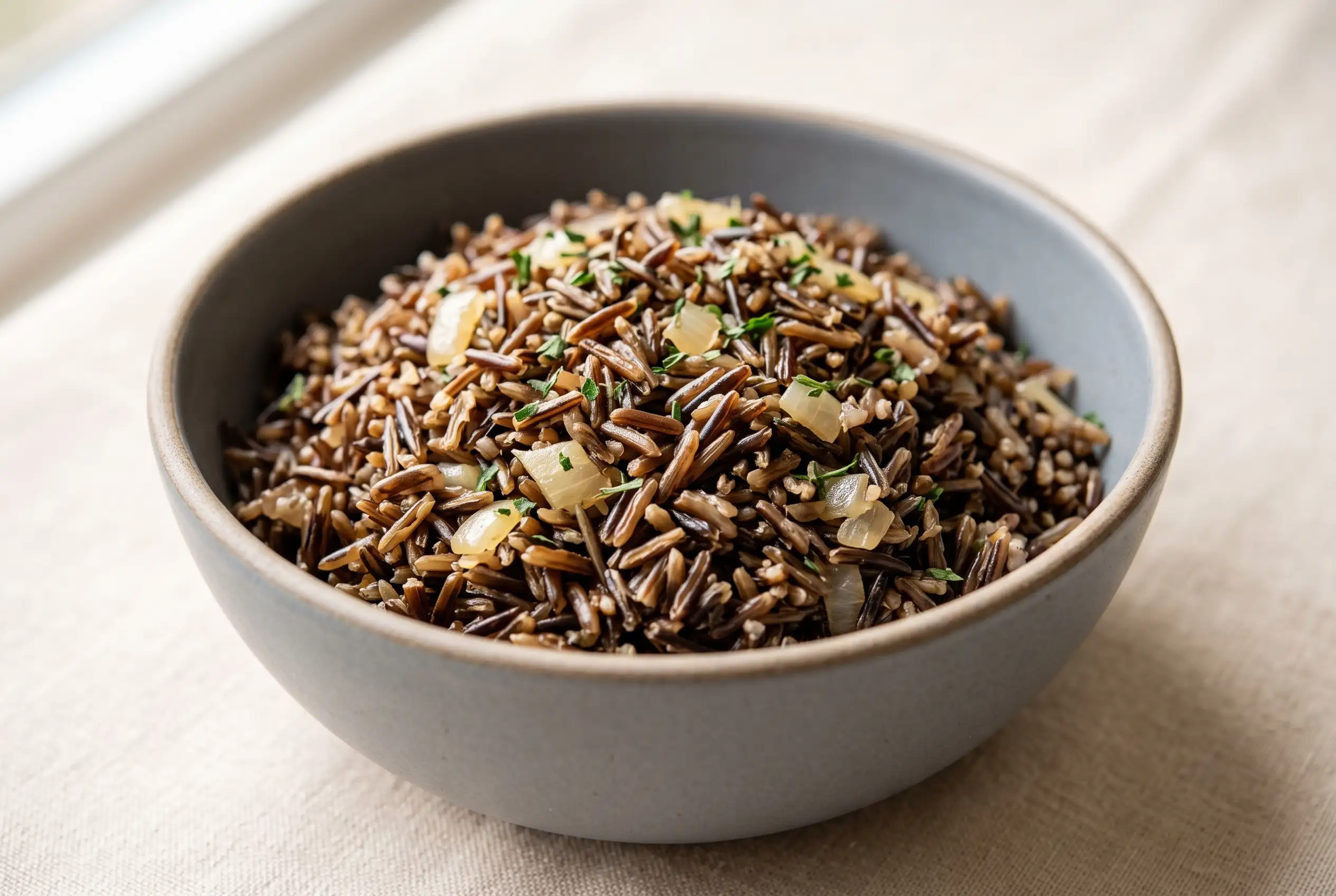
Minnesota wild rice creates a nutty, chewy side dish with a hearty texture that works beside roasted poultry, grilled pork, simple proteins, and holiday meals. The grains keep their structure through gentle stovetop cooking, while the onion and broth base build savory flavor without covering the natural character of the rice.
A classic wild rice recipe is useful when you want a dependable grain that can move from everyday dinners to casseroles, soups, and larger spreads. The controlled simmer, measured liquid, and resting period help avoid the uneven texture that can happen when wild rice is cooked too aggressively.
Why Minnesota Wild Rice Belongs on Your Table
The appeal of Minnesota wild rice comes from its combination of texture and flexibility. Each kernel offers a pleasant chew, making the finished dish feel substantial without needing complicated preparation.
The simple stovetop approach fits many cooking situations because most of the time is spent with the covered pot allowing the grains to soften. A buttered onion base creates a savory foundation that pairs naturally with both light and rich main dishes.
Home cooks can use chicken broth for a deeper savory profile or choose vegetable broth when building a vegetarian meal. The finished grains also provide a practical base for additions such as herbs, nuts, or dried fruit.
Understanding the Wild Rice Grain Selection
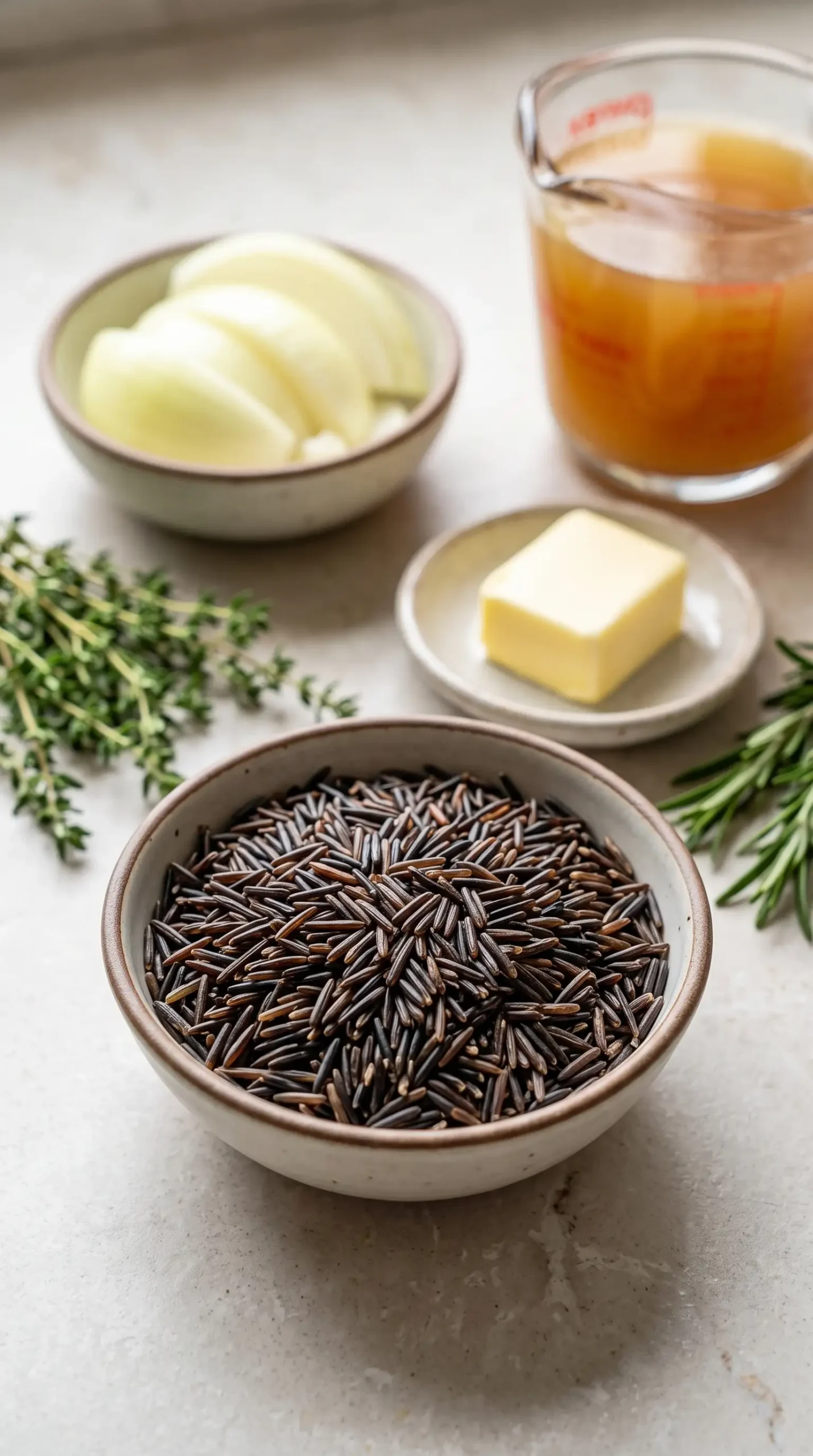
Authentic Minnesota wild rice is the defining ingredient in this dish, and its natural texture depends on treating the grain carefully. Rinsing before cooking removes debris and loose husks so the kernels cook more evenly.
- Nutty character: The grain provides a distinct flavor that remains noticeable after simmering with broth.
- Chewy center: Proper cooking leaves the kernels tender while maintaining their hearty bite.
- Flexible pairing: The finished rice works with sauces, gravies, vegetables, and proteins.
Controlling the Wild Rice Stovetop Recipe Cooking Process
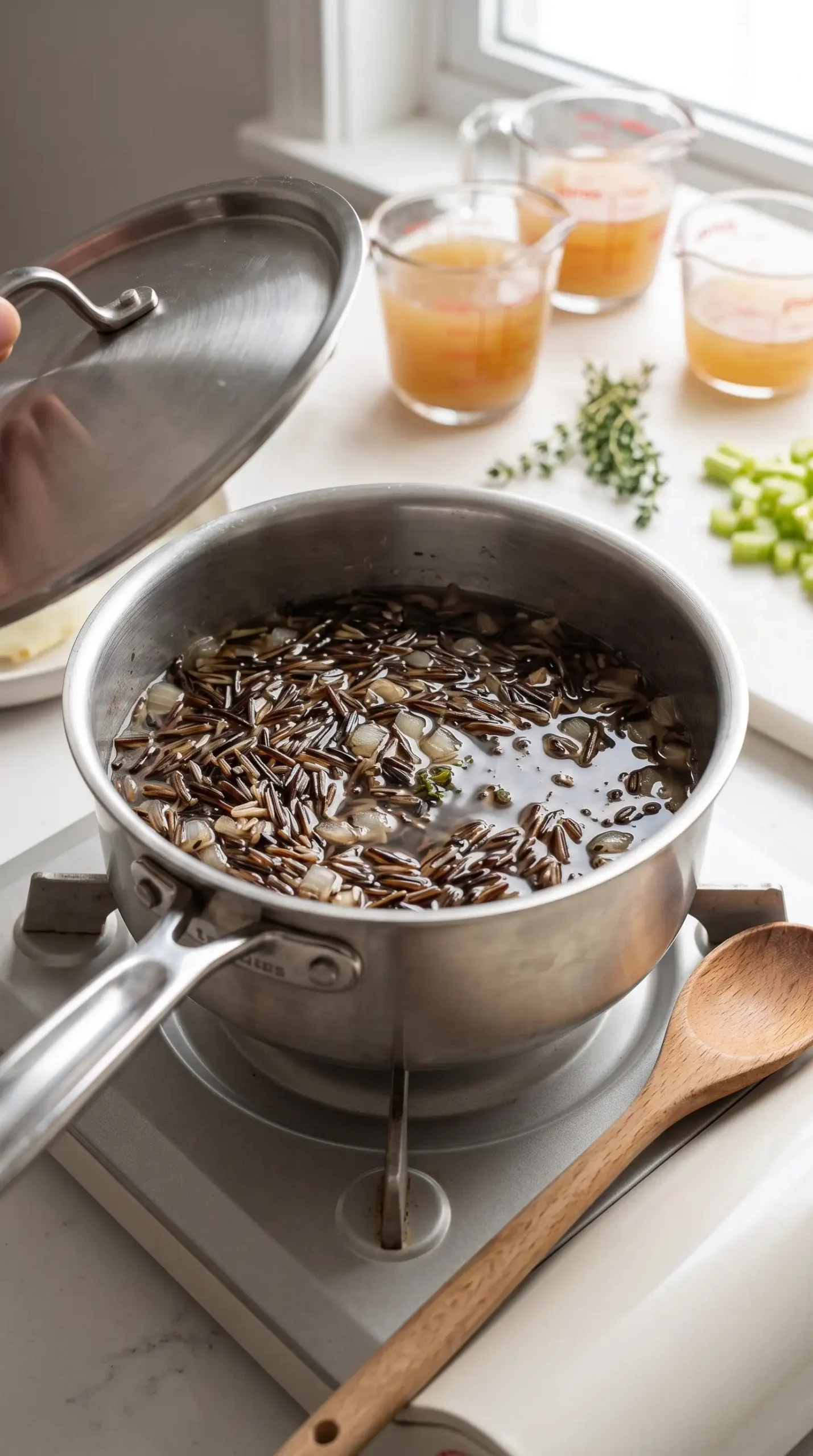
The success of a wild rice stovetop recipe depends on steady heat and enough time for the kernels to open gradually. A gentle wild rice simmer gives the grains a chance to absorb liquid without forcing the outer layers to break apart.
Keeping the pot covered during cooking traps steam and supports even softening. After the heat is turned off, a short covered rest allows remaining moisture to distribute through the grains.
The 1:2 rice-to-liquid ratio creates a reliable starting point for the cooking process. If the grains still need more tenderness after resting, additional warm broth can help restore moisture without making the texture heavy.
Broth Choices Shape Minnesota Wild Rice Flavor
Chicken broth and vegetable broth both suit Minnesota wild rice, but they create slightly different results. Chicken broth gives the side dish a richer savory base, while vegetable broth keeps the preparation suitable for vegetarian meals. A broth-based grain side such as mushroom rice with onion garlic shows how aromatics can deepen flavor while keeping the cooking process simple.
| Liquid Choice | Flavor Direction | Best Pairing |
|---|---|---|
| Chicken broth | Richer savory taste | Roasted poultry and pan gravies |
| Vegetable broth | Lighter savory profile | Vegetarian plates and vegetables |
| Water with seasoning | More neutral grain flavor | Meals where other sauces provide intensity |
Building Better Texture in Cooked Wild Rice
The desired result is a grain that feels tender while keeping its characteristic chew. Wild rice that is cooked too quickly may develop hard centers, while a careful simmer encourages the kernels to open naturally.
Resting after cooking is an important part of the texture. The covered pause allows steam to finish the kernels and helps prevent sections of the pot from becoming unevenly moist.
Learning how to cook Minnesota wild rice means paying attention to visual and textural signs instead of relying only on the clock. Fully cooked kernels should split open and have a tender center with a noticeable bite.
Serving Minnesota Wild Rice With Main Dishes
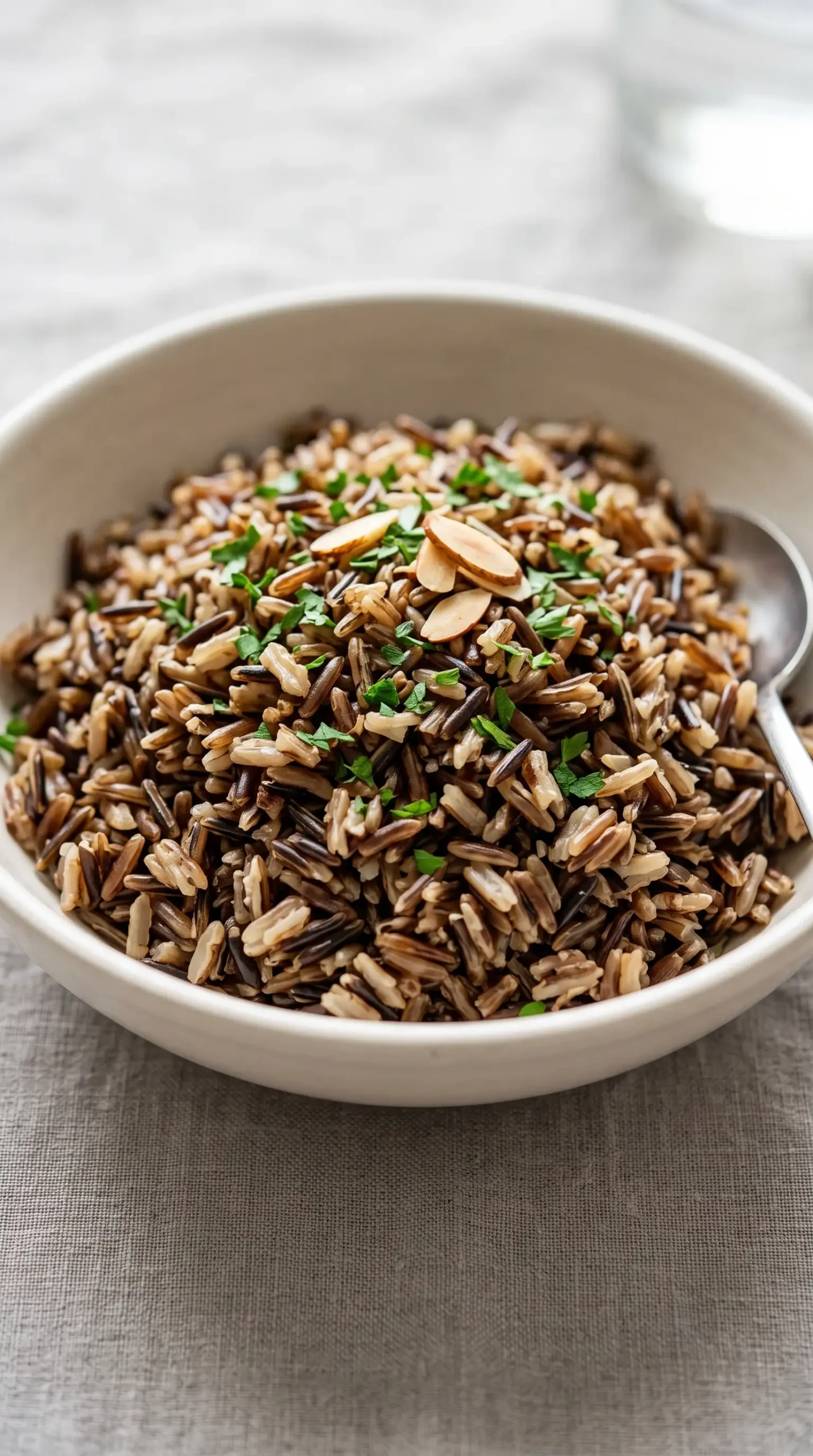
Minnesota wild rice works especially well alongside roasted poultry, grilled pork, and pan-seared fish. Its hearty texture balances creamy sauces, gravies, and bright additions such as lemon.
Fresh finishes can change the character of the side without altering the cooking process. Chopped parsley or chives add a fresh note, while toasted nuts, dried cranberries, or herbs can bring extra texture and color.
Storing Cooked Wild Rice Safely
Cooked wild rice should be cooled to room temperature within two hours and stored in an airtight container in the refrigerator for up to 4 days.
For longer storage, freezer-safe containers allow portions to be frozen for up to 3 months. Thaw frozen portions in the refrigerator and warm gently with a splash of water or broth to help restore moisture.
Practical Tips for Better Minnesota Wild Rice
Small adjustments during preparation can improve the final texture and flavor of the grain.
- Rinse thoroughly: Remove dust and loose husks before the rice reaches the saucepan.
- Maintain gentle heat: Keep the simmer steady instead of cooking at a high temperature.
- Rest covered: Allow trapped steam to complete the texture after cooking.
- Add richness after cooking: Stir in butter or olive oil for extra sheen and flavor.
Avoiding Minnesota Wild Rice Cooking Mistakes
One common mistake with Minnesota wild rice is using heat that is too high for the entire cooking period. Excessive boiling can affect the outer layers and leave some kernels with uneven texture.
Another problem comes from skipping the resting stage. Removing the cover immediately after cooking can prevent the grains from finishing their steaming process, leaving the moisture distribution less consistent.
Adding liquid without measuring can also create unreliable results. Keeping the rice-to-liquid balance consistent helps the kernels absorb enough moisture while preserving their chewy structure.
Creating Variations With Wild Rice
The basic preparation can adapt to different meals while keeping the same cooking foundation. A combination of chicken broth and white wine can add another layer of flavor before the rice cooks.
Vegetable broth with a finish of butter or olive oil creates a simple alternative. Mushrooms, onions, and herb blends can also turn the grain into a holiday-style side.
Minnesota Wild Rice for Gatherings and Meal Prep
The dependable texture of Minnesota wild rice makes it useful for larger meals because the grain holds up well after cooking. Keeping the same rice-to-liquid ratio helps maintain consistency when preparing a larger amount.
The cooked grains can support different serving styles throughout the week. A portion can accompany a protein one night and become part of a casserole or soup preparation later.
Classic Wild Rice Recipe Details That Improve Results
A few final cooking observations make the difference between acceptable grains and a well-balanced side. The onions should become translucent before the rice and broth are added, creating a flavorful base without overpowering the grain.
The finished rice benefits from gentle handling after cooking. Fluffing carefully keeps the kernels intact and preserves the texture that makes this classic wild rice recipe distinct.
Minnesota Wild Rice Finishes With Reliable Texture
Minnesota wild rice succeeds when the kernels are given time to absorb broth slowly and complete their cooking with retained steam. The gentle simmer, covered rest, and balanced liquid amount work together to create a chewy side that fits both casual meals and special occasions.
The completed grains provide a flexible foundation because they can be served simply with herbs or paired with richer sauces, roasted meats, and seasonal additions.
Wild Rice Texture Questions and Answers
Why does wild rice need a resting period?
The resting period allows steam inside the covered pot to continue working through the grains after cooking. This helps the kernels finish evenly and improves the final chew.
Can Minnesota wild rice be made without chicken broth?
Yes. Vegetable broth works well and keeps the dish vegetarian. Water can also be used, although the flavor will depend more on seasoning and additions served with the rice.
How can I tell if wild rice is fully cooked?
Cooked wild rice kernels should split open and feel tender while keeping a chewy center. If many grains remain hard, they need additional cooking time with enough liquid.
What should I do if cooked wild rice seems dry?
Add a small amount of warm broth and gently fluff the grains. This helps restore moisture while avoiding excess liquid that could soften the texture too much.
Can I double this wild rice recipe for more people?
Yes. Keep the same rice-to-liquid ratio and choose a larger pot so the grains have enough space for even heat distribution during cooking.
Classic Minnesota Wild Rice with Broth
Classic Minnesota wild rice is a hearty, comforting dish with tender, chewy grains and a savory broth flavor. It is a simple side or gathering recipe made for anyone who enjoys a warm, wholesome rice dish.
Ingredients
Method
Preparation
- Rinse the wild rice under cold water to clear away debris and loose husks.
- Melt the butter in a large saucepan over medium heat, then cook the chopped onion until it becomes translucent.
- Add the rinsed wild rice to the saucepan and stir in the broth.
- Bring the mixture to a gentle boil, then lower the heat to keep it at a steady simmer.
- Cover the saucepan and cook for 45-50 minutes, until the rice kernels have opened and the texture is tender with a chewy bite.
- Take the saucepan off the heat, leave it covered, and allow the wild rice to rest for 5-10 minutes.
- Season with salt and black pepper, then gently fluff the cooked wild rice before serving.
Notes
Maintain the same 1:2 ratio of wild rice to liquid when adjusting the recipe size. If the finished rice needs more moisture, stir in a small amount of warm broth.