
From morning breakfasts to evening dinners, Tasteza Recipes offers quick and easy recipe ideas, featuring everything from wholesome meals to delicious desserts for every moment and every occasion.


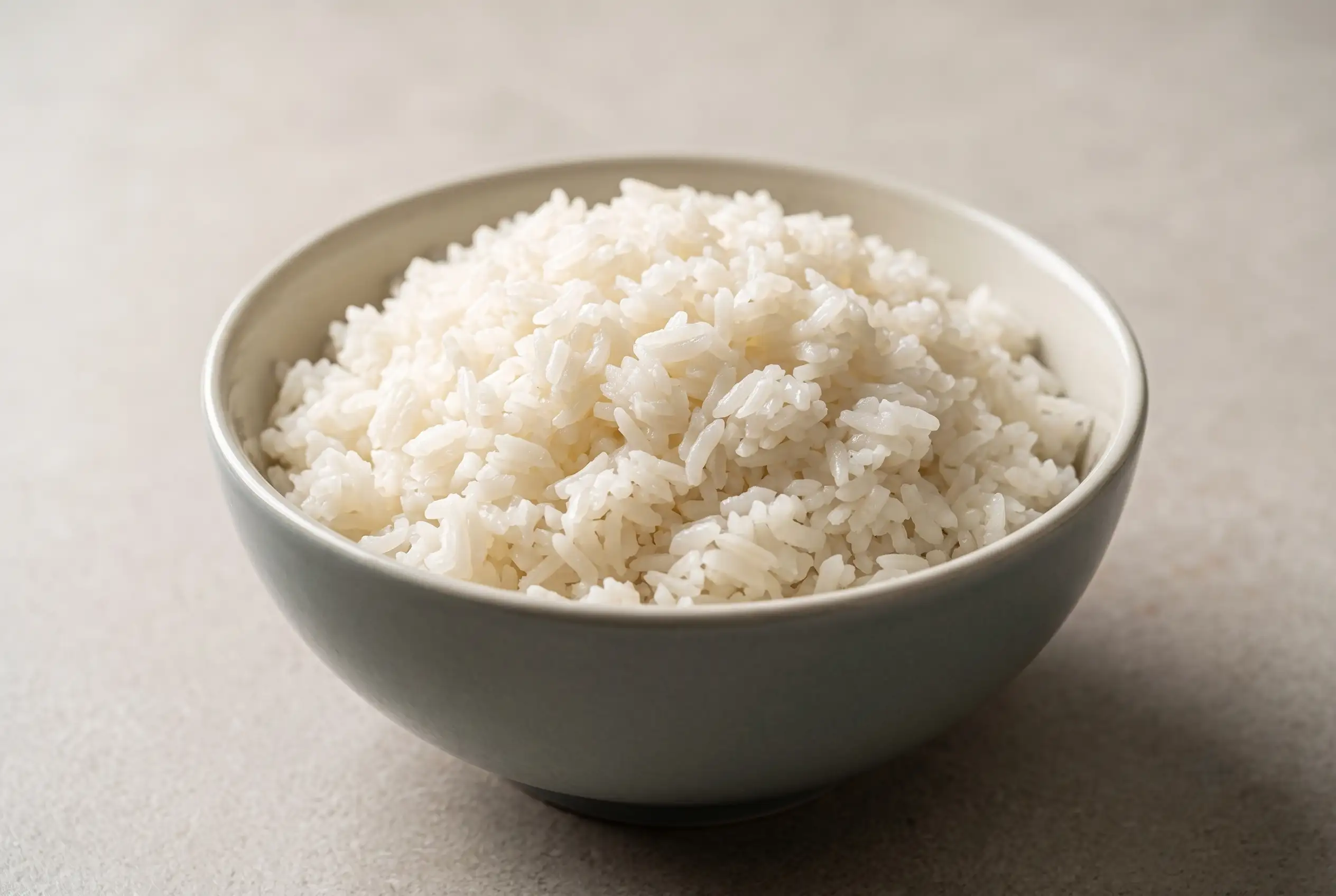
Basic jasmine rice delivers fragrant, tender grains with a lightly sticky texture when the rice, water, and cooking process stay balanced. A dependable stovetop approach makes this pantry staple useful for weeknight dinners, meal prep, and dishes that need a simple neutral base.
Many home cooks look for a clear way to cook jasmine rice because small changes in rinsing, water measurement, and steaming can affect the final texture. A reliable stovetop jasmine rice recipe removes uncertainty by focusing on the decisions that matter most during preparation.
Basic Jasmine Rice for Reliable Stovetop Results
Jasmine rice is valued for its natural aroma and soft texture, which makes it a practical match for saucy meals. The grains should feel tender while remaining distinct enough to serve alongside curries, stir-fries, grilled proteins, and vegetables.
Simple equipment and a measured approach create consistent results. A single pot allows the rice to simmer gently while covered, trapping steam that helps the grains finish cooking evenly.
Home cooks can use the same principles when preparing larger amounts or adapting the process for a rice cooker. The important elements remain the same: rinse the rice, maintain the proper jasmine rice water ratio, and allow time for steaming after heat is removed.
Fragrant Jasmine Rice Grain Selection
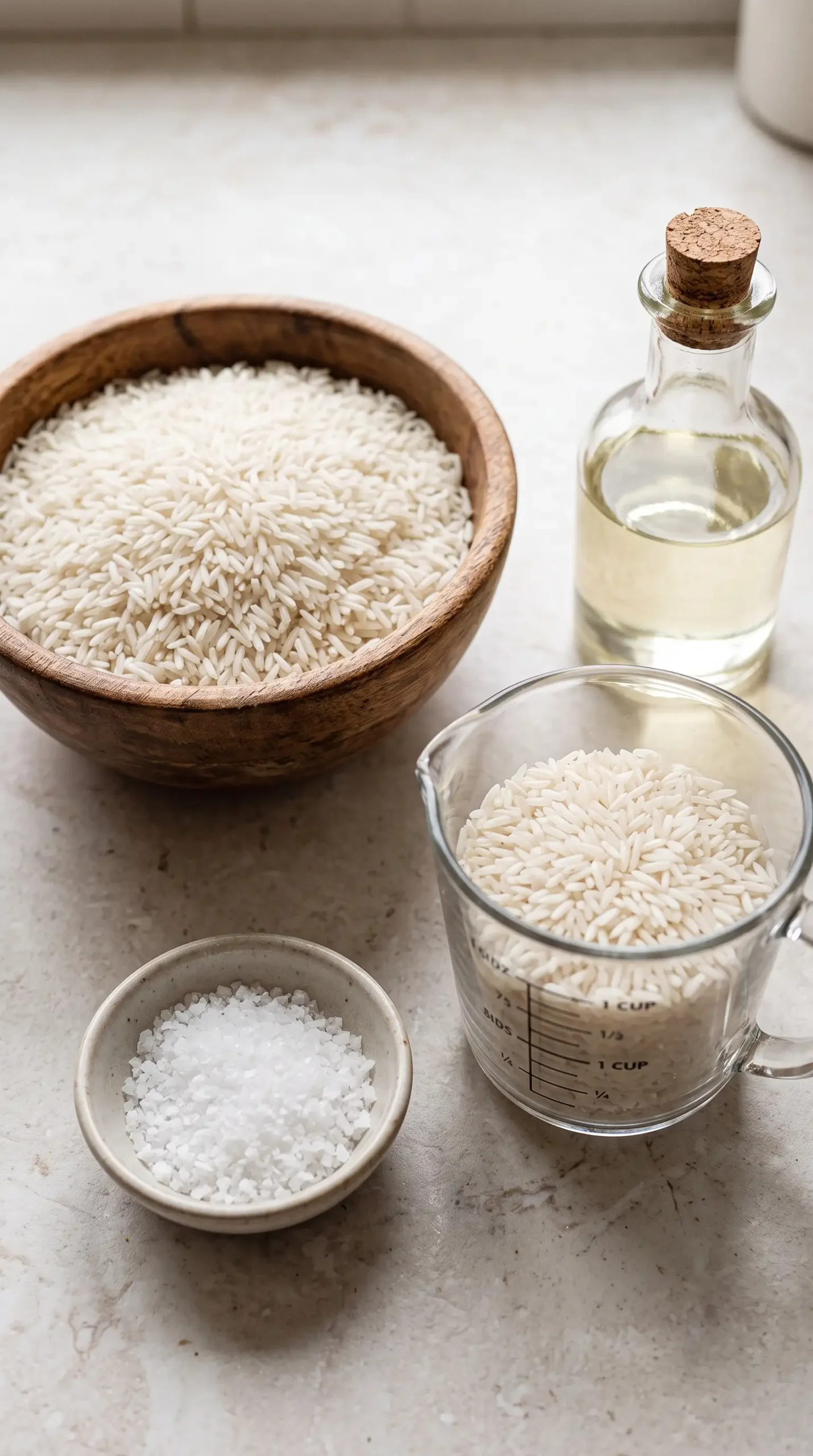
The main ingredient decision begins with choosing jasmine rice that suits the dish being served. Its naturally aromatic character provides a noticeable fragrance without requiring additional seasonings or complex preparation.
Basic jasmine rice works best when the grains have room to absorb water evenly. Measuring the rice carefully helps maintain the intended balance between moisture and texture, especially when preparing a familiar quantity.
Optional additions such as salt and oil adjust the finished bowl without changing the essential cooking method. Salt brings seasoning, while a small amount of oil can help create slightly glossier grains that separate more easily.
| Choice | Purpose | Effect on rice |
|---|---|---|
| Jasmine rice | Main grain | Creates fragrant, tender texture |
| Salt | Optional seasoning | Adds mild savory flavor |
| Oil | Optional texture adjustment | Can help create glossier grains |
The Water Ratio Behind Fluffy Jasmine Rice
The jasmine rice liquid ratios are one of the most important controls for predictable stovetop results. The balance of rice and water determines whether the grains finish tender and fluffy or become overly soft.
Using a consistent measuring method prevents accidental changes between batches. Water that is added without measuring can shift the texture because the grains absorb a specific amount during simmering and resting.
A measured ratio also makes it easier to scale the recipe for different serving needs. Keeping the same relationship between rice and water preserves the cooking approach even when the quantity changes.
| Cooking stage | Key action | Texture benefit |
|---|---|---|
| Before cooking | Measure rice and water consistently | Supports balanced moisture |
| During simmering | Keep the lid closed | Maintains steam for even cooking |
| After heat stops | Allow covered resting | Helps grains finish evenly |
Rinsing Changes the Finished Texture
Rinsing jasmine rice before cooking removes surface starch and helps the cooked grains stay lighter. Running cold water over the rice until it becomes clear prepares the grains for a cleaner final texture.
Skipping this step can leave extra starch on the outside of the grains, which may contribute to a heavier texture. Rinsing is a small preparation step that improves consistency without adding extra ingredients or equipment.
Stovetop Jasmine Rice Recipe Cooking Controls
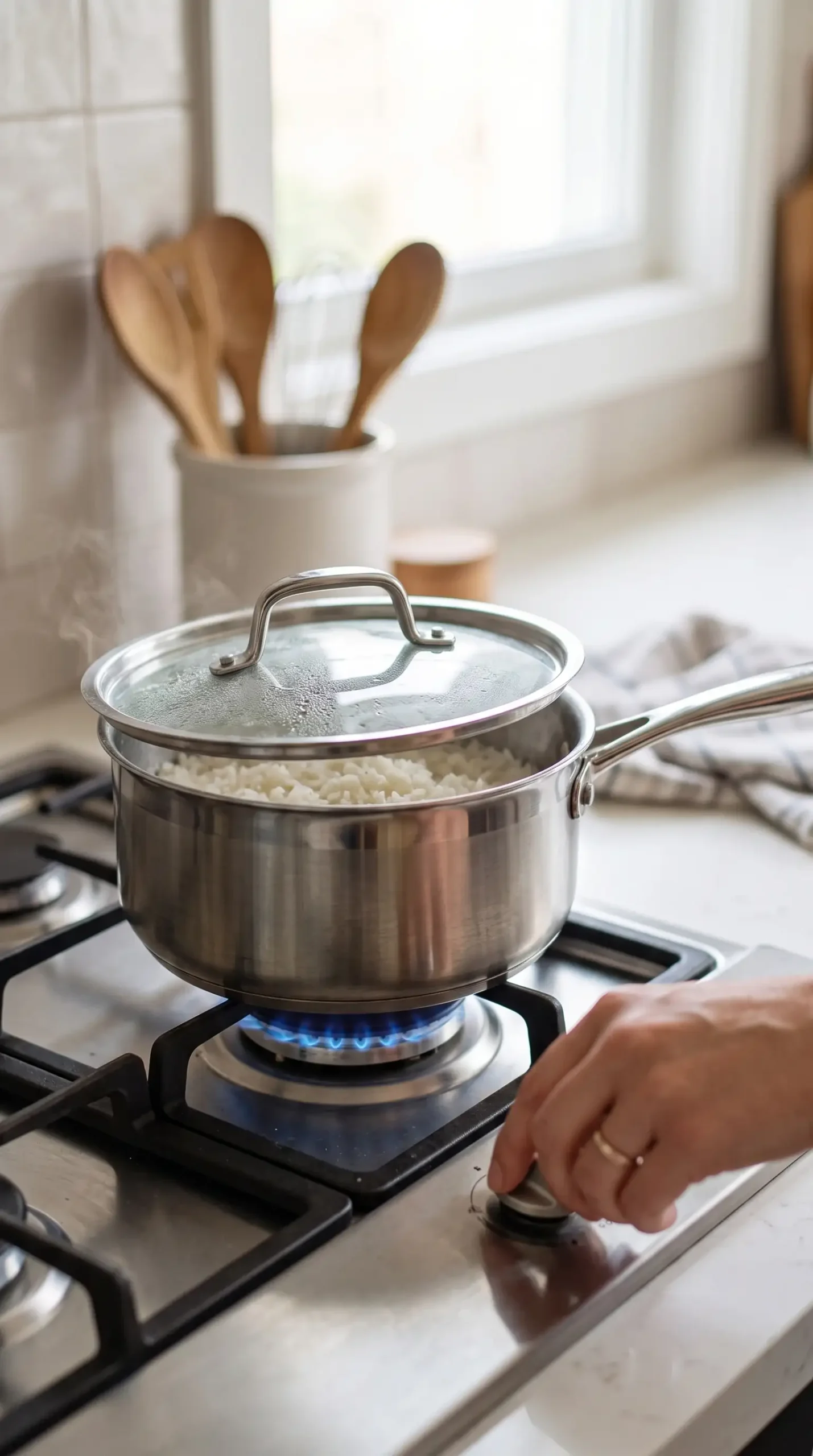
A successful stovetop jasmine rice recipe depends on controlling heat and steam throughout cooking. The pot needs a full boil before the rice is added, followed by gentle low heat once the lid is placed on top.
Keeping the cover closed during simmering protects the steam environment inside the pot. Opening the lid releases heat and moisture, making it harder for the rice to cook evenly.
The resting stage after cooking is equally important. Covered resting allows remaining steam to move through the grains so the texture becomes more consistent before serving.
- Steam control: Keep the lid closed during simmering and resting.
- Heat adjustment: Lower the temperature after boiling to maintain a gentle simmer.
- Grain handling: Fluff with a fork carefully to separate grains without crushing them.
Resting Time Protects Tender Grains
The resting period gives cooked jasmine rice time to settle after direct heat is removed. This short pause helps moisture distribute through the grains instead of remaining concentrated in one area of the pot.
Serving Basic Jasmine Rice Beyond Side Dishes
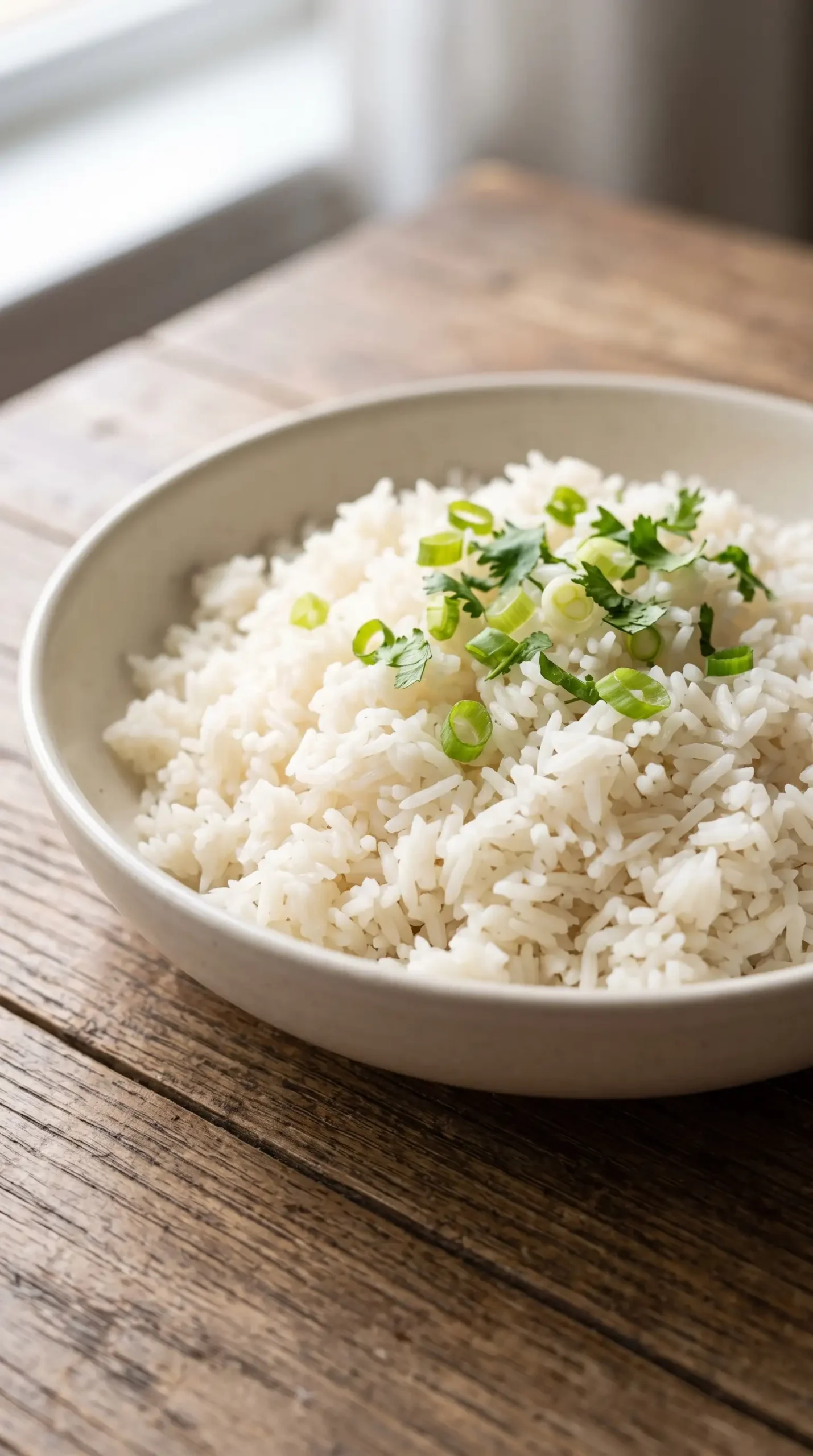
Basic jasmine rice is flexible because its mild flavor supports many meals without competing with stronger sauces or seasonings. It can be served beneath curries, stir-fries, or grilled proteins where the rice absorbs surrounding flavors.
Simple toppings can add contrast while keeping the rice as the foundation of the plate. Chopped scallions, toasted sesame seeds, cilantro, a squeeze of lime, or a soy-based dressing can provide extra flavor without changing the dish’s purpose.
For family-style meals, a shallow bowl or simple mound on a plate keeps the rice easy to portion. The subtle aroma remains noticeable when garnishes are used sparingly.
Storage Keeps Jasmine Rice Ready
Cooked jasmine rice can be stored after cooling and transferring it into an airtight container. Refrigeration keeps it suitable for short-term use, while freezer storage allows portions to be saved for later meals.
When frozen, portioning the rice before storage makes reheating more convenient. Covered storage helps protect the texture and reduces moisture loss.
Reheating Preserves Moisture in Cooked Rice
Reheating jasmine rice works best when moisture is added back before warming. A small splash of water and a covered container create steam that helps soften the grains again.
Gentle reheating prevents the rice from becoming dry or unevenly warmed. Cooked rice should not remain at room temperature for extended periods because spoilage can become a concern.
Avoidable Basic Jasmine Rice Mistakes
Several common issues with basic jasmine rice come from changing the balance of water, heat, or steam. Recognizing these problems makes it easier to correct texture problems in future batches.
- Too much water: Excess moisture can create soggy grains, so measure carefully.
- Opening the lid: Lost steam can leave the center undercooked.
- Stirring while cooking: Extra movement can affect the separation of grains.
- Skipping rinsing: Remaining surface starch may create a heavier texture.
Flexible Jasmine Rice Variations
Jasmine rice can take on subtle changes while keeping the same cooking foundation. Replacing part of the cooking water with coconut milk creates a lightly aromatic variation, while a pandan leaf can add a floral note during cooking.
For fried rice, cooled cooked jasmine rice works well because the grains are easier to separate during stir-frying. Cooling allows the texture to firm before additional cooking steps, making it ready for a fried rice recipe that uses chilled grains effectively.
Scaling Jasmine Rice for More Meals
Increasing the quantity of jasmine rice requires the same careful relationship between rice and water. A larger pot can help accommodate additional rice while maintaining the gentle cooking environment needed for even results.
Large batches may require slight adjustments in cooking time, but the basic principles remain consistent. Keeping measurements organized helps preserve the same texture from one batch to the next.
Basic Jasmine Rice Texture Questions and Answers
Why is my jasmine rice gummy instead of fluffy?
Gummy rice can happen when excess starch remains on the grains, too much water is used, or the rice is disturbed while cooking. Rinsing thoroughly, following the jasmine rice water ratio, and keeping the lid closed during cooking helps improve the texture.
Can I use a rice cooker for basic jasmine rice?
Yes. The rinsing step still applies, and the rice cooker’s recommended setting for jasmine rice can be used. If the cooker does not provide guidance, the same measured rice-to-water approach can help establish a starting point.
How do I fix jasmine rice that is still hard?
If the grains remain firm after cooking, add a small amount of boiling water, cover the pot, and continue cooking gently for a few additional minutes. Allow another covered rest afterward so the moisture can spread through the rice.
Can cooked jasmine rice be frozen?
Yes. Cool the rice, divide it into freezer-safe portions, and store it in airtight containers or bags. Thaw portions in the refrigerator before reheating with a little added moisture.
Do salt and oil need to be added to jasmine rice?
No. Both are optional additions. Salt adjusts seasoning, while oil can slightly change the appearance and separation of the grains.
Basic Jasmine Rice Becomes Reliable Through Balanced Cooking
Basic jasmine rice depends on a simple balance between clean grains, measured water, controlled heat, and a proper resting period. When these choices stay consistent, the cooked rice develops the fragrant, tender texture expected from this everyday staple.
The most important cooking judgment is maintaining the steam environment from simmering through resting. That steady process allows jasmine rice to finish evenly and remain a dependable base for many meals.
Basic Jasmine Rice
Basic jasmine rice is an easy side dish with fluffy, tender grains and a delicate aromatic flavor. It is a reliable choice for everyday meals when you need a simple rice option.
Ingredients
Method
Preparation
- Rinse the jasmine rice with cold water until the water becomes clear, then drain the rice thoroughly.
- Heat 2¾ cups water in a pot until it reaches a boil.
- Add the rinsed rice, optional salt, and optional oil to the boiling water, then stir once to combine.
- Lower the heat, cover the pot, and simmer the rice for 15 minutes without removing the lid.
- Remove the pot from the heat and keep it covered for 10 minutes so the rice can finish steaming.
- Gently separate the cooked rice with a fork before serving.
Notes
Rinsing the rice and leaving the lid closed throughout cooking and resting helps produce a fluffier texture.