
From morning breakfasts to evening dinners, Tasteza Recipes offers quick and easy recipe ideas, featuring everything from wholesome meals to delicious desserts for every moment and every occasion.


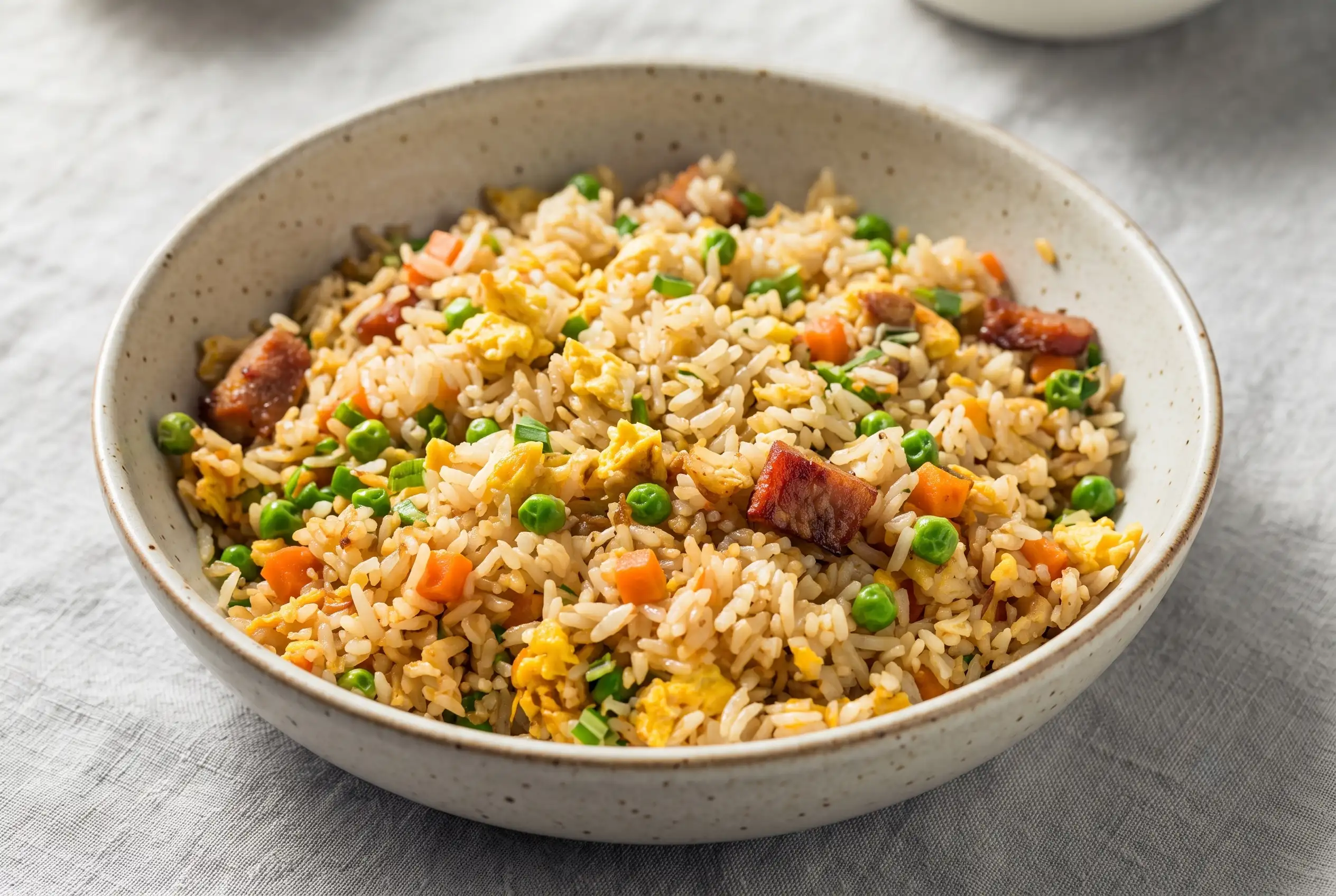
Fried rice recipe fans love this dish for its fast preparation, savory flavor, and ability to turn leftover rice into a complete one-pan meal. Crisp grains, tender proteins, eggs, and colorful vegetables come together with simple sauces for a dependable dinner option.
Why Fried Rice Recipe Works for Weeknights
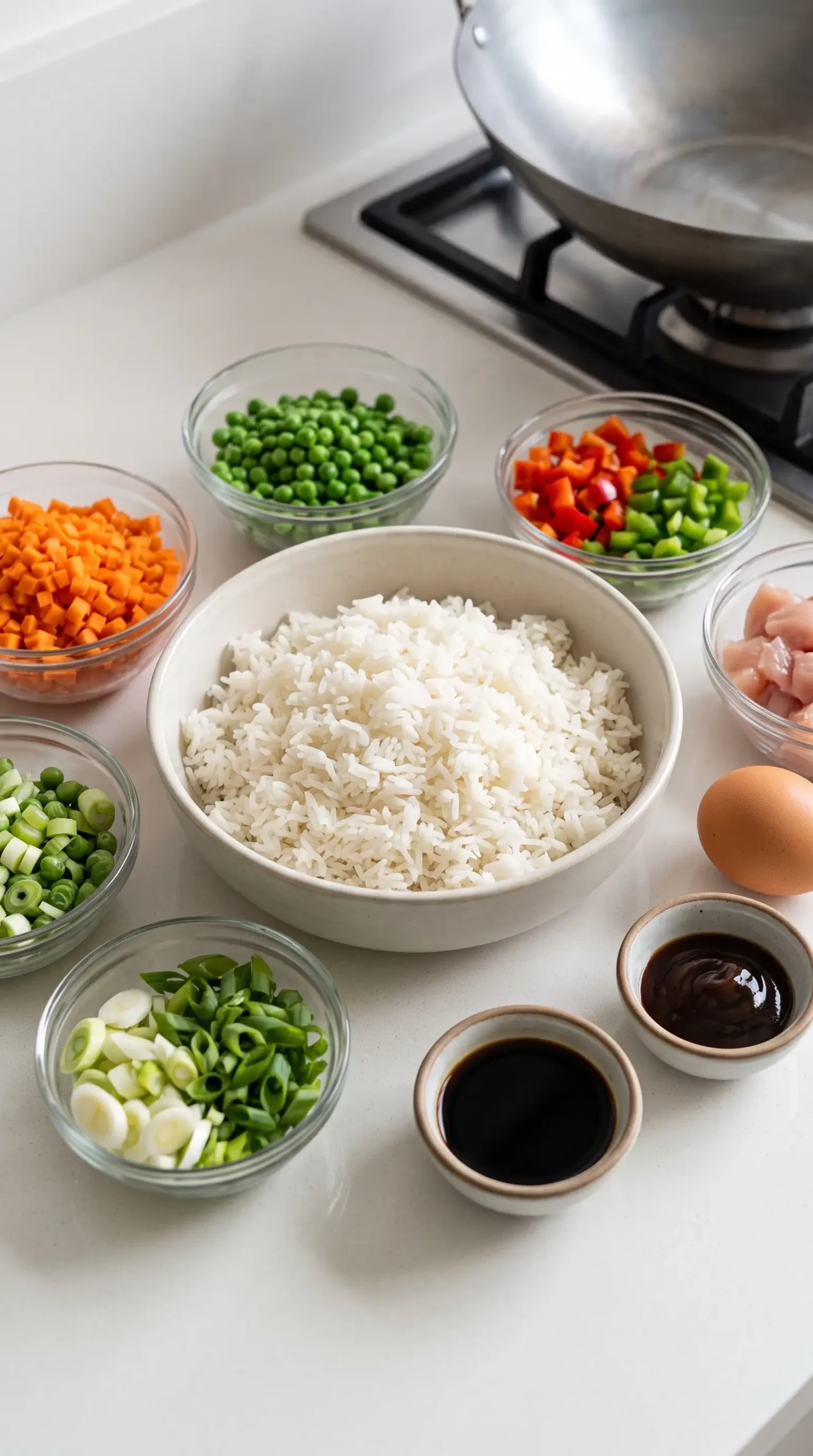
A classic fried rice recipe fits busy cooking schedules because it uses familiar pantry staples and flexible ingredients. Day-old cold rice creates the foundation, while sauces, eggs, proteins, and vegetables build layers of flavor without requiring a complicated process.
The high-heat cooking style gives the rice texture and helps ingredients keep their individual qualities. The dish also adapts easily, making it useful when cooking for one person, a family, or preparing meals ahead.
Using leftovers efficiently is one reason fried rice with leftover rice remains popular. Cold grains are ready to transform into a satisfying meal instead of going unused.
Cold Rice Choices Shape the Texture
The most important ingredient decision for a fried rice recipe is choosing rice that can handle stir-frying. Long-grain white rice or jasmine rice works well because cooled grains stay separated during cooking, and a Basic Jasmine Rice: Simple Stovetop Method helps create a properly prepared base for the best texture.
Freshly cooked rice contains more moisture, which can make the finished dish soft and clumped. chilling rice before frying helps reduce excess moisture and creates grains that stay more separated when stir-fried.
- Rice texture: Cold, separated grains create better crisping during high-heat cooking.
- Sauce balance: Soy sauce and oyster sauce should season the rice without overwhelming it.
- Finishing touch: Sesame oil is best added near the end to preserve its aroma.
Building Flavor Through Sauce Balance
The sauce combination gives fried rice its recognizable savory character. Soy sauce, oyster sauce, rice vinegar, sriracha, and sesame oil work together to create salty, tangy, spicy, and toasted notes.
Careful seasoning matters because the rice absorbs flavors quickly. Measuring sauces helps prevent an overly salty result while allowing the grains and other ingredients to remain noticeable.
Proteins and Vegetables Bring Variety
Fried rice can include diced chicken, shrimp, or tofu alongside vegetables such as carrots, green onions, peas, and bell peppers. These additions provide different textures while keeping the dish adaptable.
Cooking proteins and vegetables with attention to timing helps preserve their texture. Vegetables should remain crisp, and proteins should develop color before the rice is added.
A vegetarian version can increase tofu and peas while leaving out meat. Spicy versions can include additional sriracha or sliced chili for more heat.
Cooking Control Keeps Fried Rice Crisp
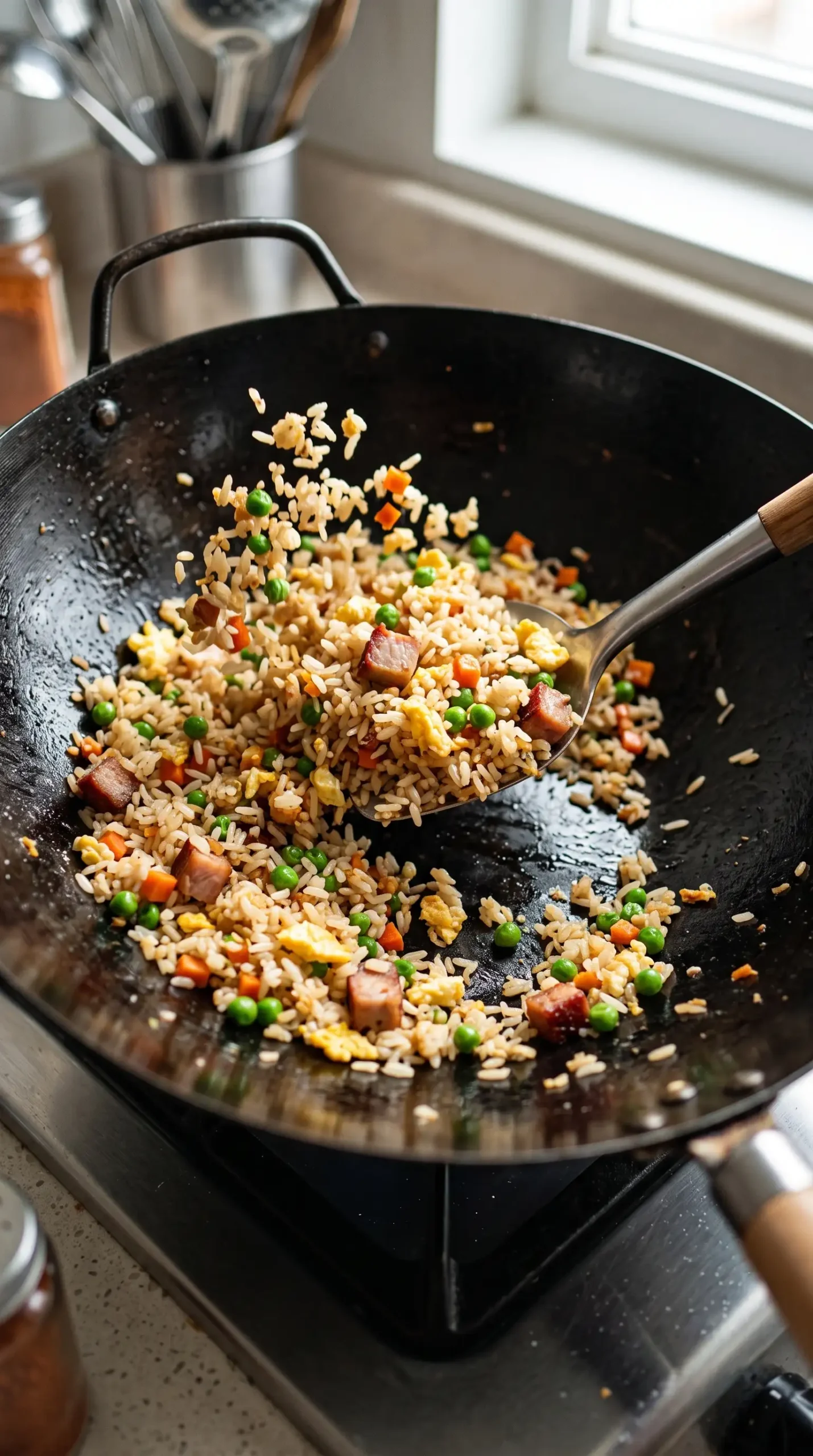
The cooking process depends on high heat and quick movement. A wok or large skillet gives ingredients room to cook without trapping too much moisture.
Scrambling eggs first and removing them before the other ingredients helps keep the egg pieces tender. They can return near the end so every bite has distinct textures.
Allowing the rice to contact the hot surface creates slight crisping at the edges. Working efficiently during stir-frying helps maintain the contrast between grains, vegetables, and proteins.
| Cooking choice | Helpful approach | Result |
|---|---|---|
| Rice preparation | Use cold day-old rice | Separate grains with better texture |
| Egg handling | Cook separately first | Tender pieces that do not overcook |
| Pan selection | Use a wok or large skillet | More space for high-heat cooking |
Serving Fried Rice Straight From the Pan
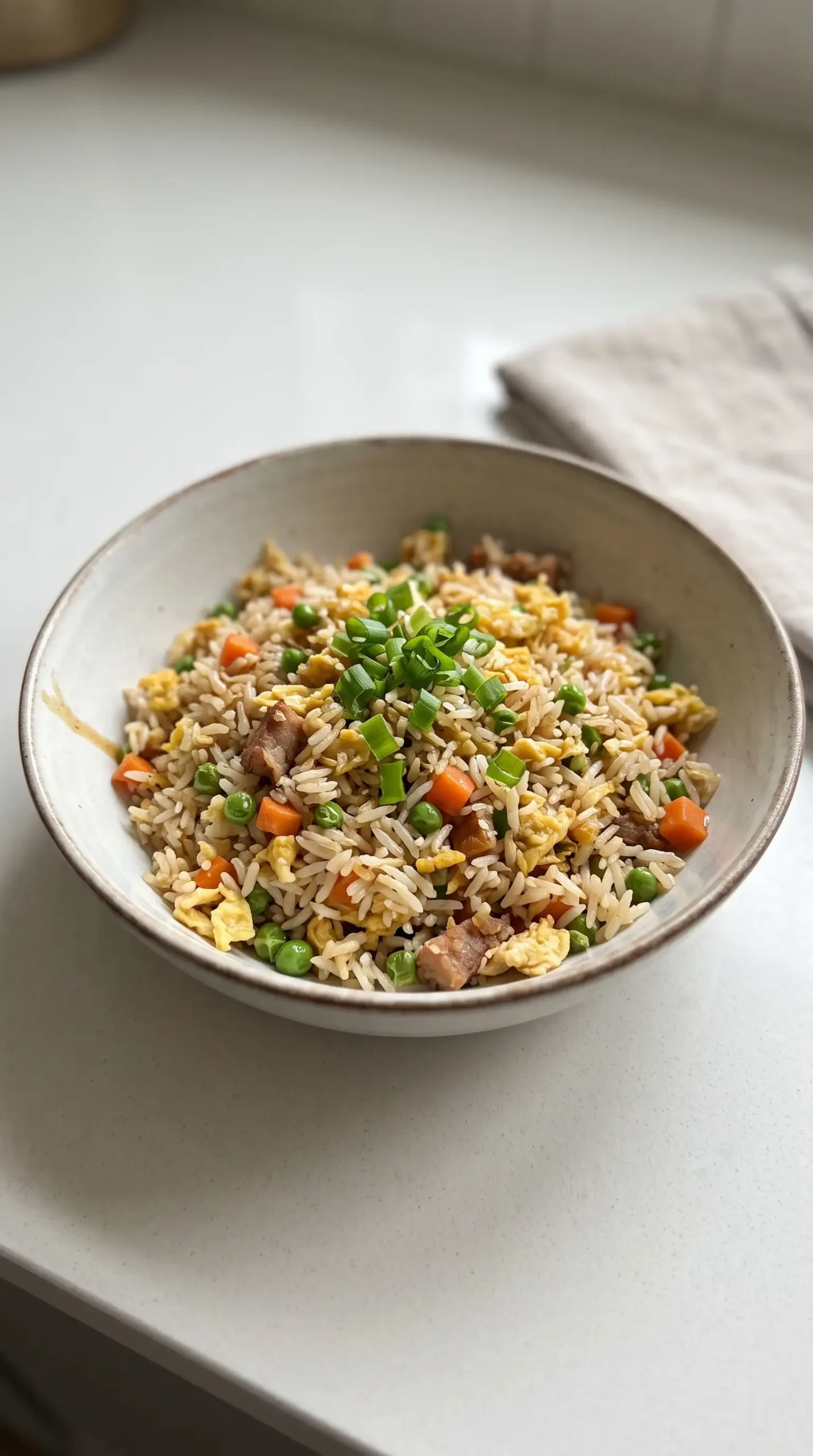
Serving the dish hot helps preserve the crisp edges created during cooking. Green onions and a small drizzle of sesame oil can add freshness and aroma at the table.
Extra soy sauce, sriracha, or chili oil can be offered separately for diners who want stronger flavors. Light sides such as soup, steamed greens, or cucumber salad pair well with the savory rice.
Storage Steps Preserve Leftover Fried Rice
Cool fried rice close to room temperature before storing it. Place it in airtight containers and refrigerate within two hours of cooking.
Refrigerated portions keep well for several days, and freezer-safe containers allow longer storage. Reheating in a hot pan with a small amount of oil helps restore texture.
Easy Weeknight Fried Rice Adjustments
An easy weeknight fried rice approach allows cooks to adjust proteins, vegetables, and seasonings based on available ingredients. The basic technique remains useful even when the additions change.
For a sweeter variation, oyster sauce can be replaced with hoisin sauce. A lower-sodium version can use low-sodium soy sauce while reducing additional sauces.
Fried Rice Mistakes That Ruin Texture
Fresh rice is one of the most common causes of disappointing fried rice. Excess moisture can make grains stick together, so cold rice is preferred for a drier, more separated texture.
Overcrowding the pan creates another problem because ingredients may steam instead of sear. A large cooking surface or smaller batches help maintain the high heat needed for proper frying.
Adding sesame oil too early can reduce its aromatic impact. Keeping it for the finishing stage helps preserve its distinctive toasted character.
Simple Variations for a Classic Fried Rice Recipe
A classic fried rice recipe can be customized without changing the core technique. Tofu, shrimp, chicken, and vegetables each create a different version while following the same high-heat approach.
Spicy variations can increase sriracha or add sliced chili. A smoky finish can come from toasted sesame oil and white pepper when those flavors match the meal.
Choosing the Right Tools for Fried Rice
A wok offers a broad cooking surface and works well with high heat, but a large skillet is also suitable. The most important factor is having enough room for ingredients to move freely.
A fork can help loosen rice clumps before cooking, allowing grains to separate more easily when they reach the pan.
Fried Rice Recipe Decisions That Matter Most
The strongest results come from a few important choices: starting with cold rice, managing heat, keeping ingredients distinct, and balancing sauces carefully.
These decisions shape the finished texture more than adding extra ingredients. A simple combination of rice, vegetables, proteins, eggs, and sauces can deliver a complete meal when handled correctly.
Cold Rice and Crisping Questions Answered
Why does fried rice need cold rice?
Cold rice has less surface moisture, which helps grains stay separate and develop texture during high-heat cooking.
Can freshly cooked rice work for fried rice?
Fresh rice can be used after spreading and chilling it to remove moisture before frying.
How can vegetables stay crisp in fried rice?
Cut vegetables evenly and add them during cooking so they have enough time to warm while keeping their texture.
Is a wok required for a fried rice recipe?
A wok is helpful because it handles high heat and provides space, but a large skillet can also produce good results.
How should fried rice be reheated?
Reheat fried rice in a hot pan with a small splash of oil, adding a few drops of water if the grains need loosening.
Fried Rice Recipe with Leftover Rice for Weeknights
This fried rice recipe with leftover rice is a quick weeknight meal with fluffy grains, crisp vegetables, savory seasonings, and a lightly crisp texture that makes it a practical way to turn cold rice into a flavorful dish.
Ingredients
Method
Preparation
- Heat a wok or large skillet over medium-high heat and add enough neutral oil to lightly coat the cooking surface.
- Cook the eggs in the hot pan until scrambled, then transfer them out of the pan and set aside.
Cooking
- Stir-fry the diced chicken, shrimp, or tofu with the carrots, green onions, peas, and bell peppers until the proteins are fully cooked while the vegetables stay crisp.
- Add the cold day-old rice and stir-fry until the grains separate and the rice is warmed throughout.
- Place the scrambled eggs back into the pan and mix in the soy sauce, oyster sauce, rice vinegar, sriracha, and sesame oil to season the fried rice.
- Continue cooking over high heat, stirring quickly, until the rice develops lightly crisped edges and does not stick to the pan.
Serving
- Serve the fried rice hot with additional chopped green onions and optional extra soy sauce, sriracha, or chili oil.
Notes
Use cold leftover rice for the best texture, as freshly cooked rice may become soft and clump together during stir-frying.