
From morning breakfasts to evening dinners, Tasteza Recipes offers quick and easy recipe ideas, featuring everything from wholesome meals to delicious desserts for every moment and every occasion.


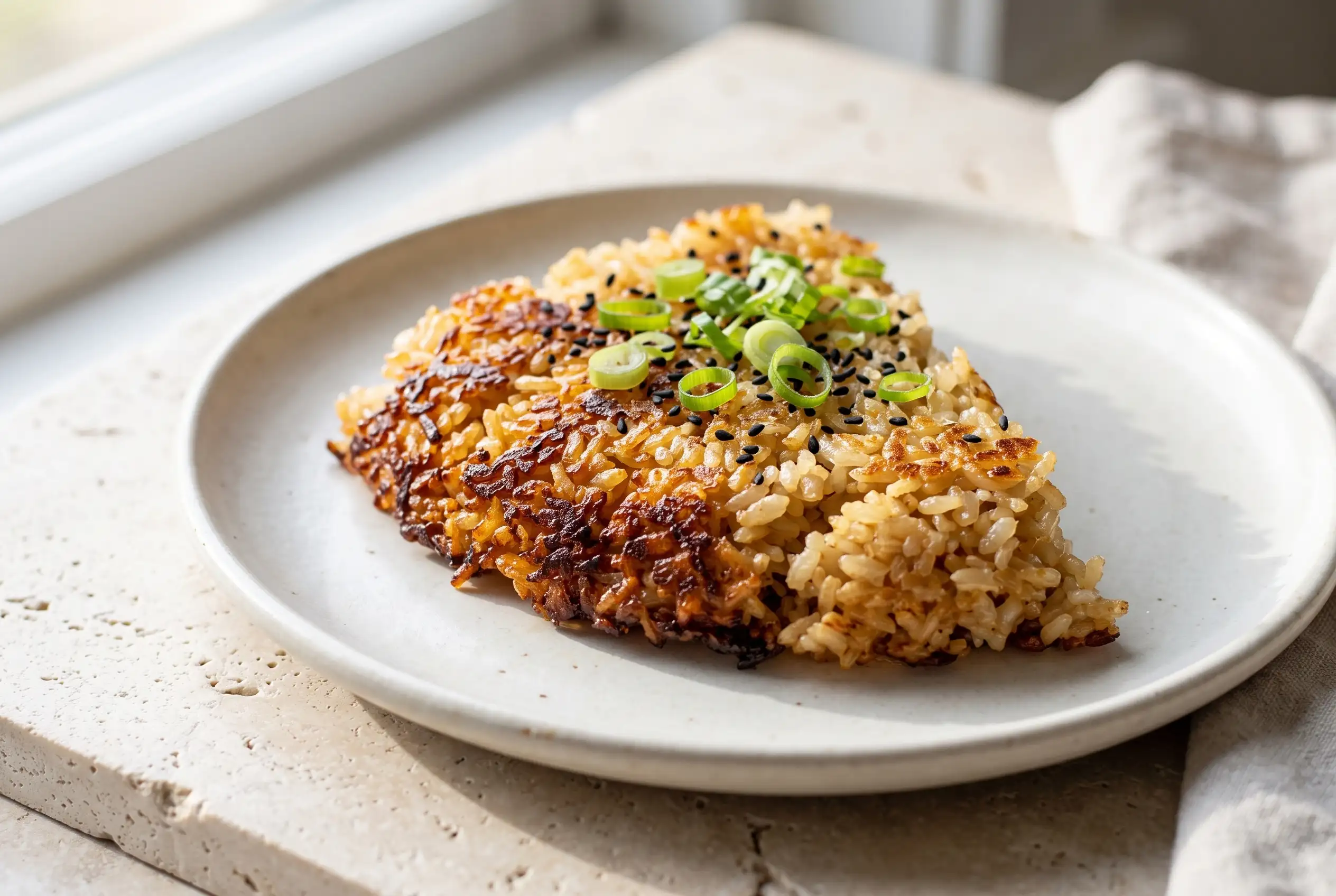
Crispy rice skillet brings leftover short-grain rice back to life with a golden crust, tender grains, and a texture that turns a simple side into a centerpiece. The technique uses chilled rice, a hot pan, and careful pressing to create a crisp surface without losing the soft interior.
Many cooks look for a crispy rice recipe when they have extra cooked rice that feels too compact or dull. The skillet approach transforms those leftovers into a flexible base for vegetables, proteins, sauces, or a simple egg topping.
Crispy Rice Skillet Texture Comes From Contrast
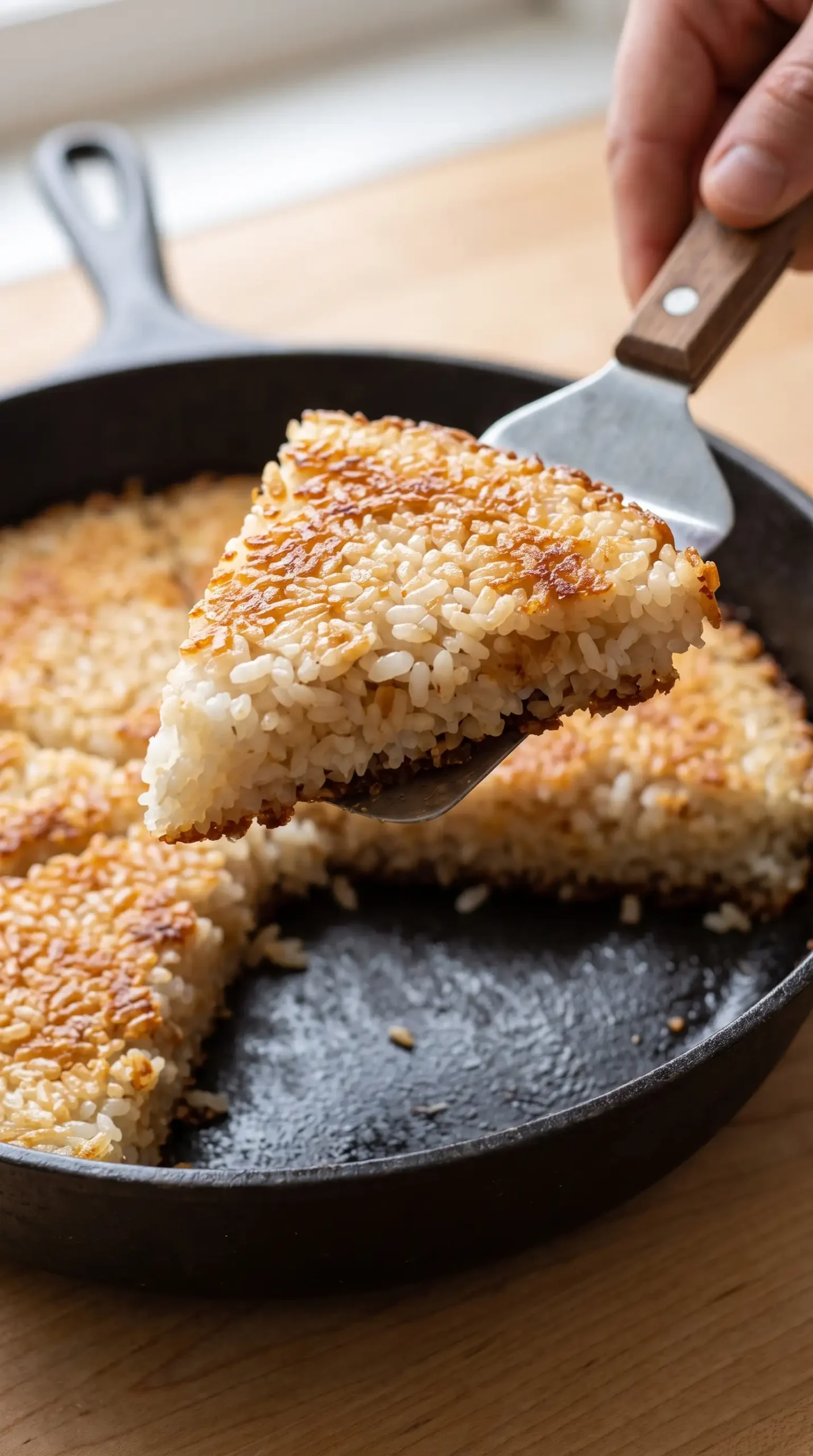
The appeal of a skillet crispy rice method comes from the difference between the bottom layer and the grains above it. Heat creates a browned crust where the rice touches the pan, while the center stays moist and separate.
Cold short-grain rice is especially useful because the grains hold together enough to form a solid layer. Once pressed into the pan, the rice develops structure that makes slicing, flipping, or serving easier.
A successful crust depends on patience during the first stage of cooking. Moving the rice too soon interrupts the contact needed for browning and can leave the surface pale instead of crisp.
Why Chilled Rice Creates the Crust
Freshly cooked rice contains more moisture, which can create steam in the skillet. Refrigerating the rice helps reduce surface moisture so the grains can sear when they meet the hot cooking surface.
The cooling period makes the rice easier to break apart without crushing the grains. Properly chilled leftovers spread more evenly in the pan and stay separated during cooking, which is important for building texture in dishes like a fried rice recipe.
When fresh rice is the only option, spreading it out and chilling it before frying gives it a better chance to crisp. The rice should feel cool and easier to separate before it reaches the pan.
Short-Grain Rice Choices Improve the Finished Layer
Short-grain rice is the strongest choice for crispy rice skillet because it has enough natural stickiness to create a cohesive crust. The grains stay connected after pressing while still allowing individual pieces to remain noticeable.
| Rice condition | Texture after frying | Best use |
|---|---|---|
| Day-old refrigerated short-grain rice | Firm crust with tender center | Preferred skillet base |
| Freshly cooked rice chilled before frying | Softer grains with improved structure | Quick substitute |
| Warm rice from the cooker | More steaming and less browning | Not ideal for crisping |
Flavor additions should stay balanced because excess liquid can interfere with the crust. Rice vinegar, optional soy sauce, and optional sugar can season the grains while keeping the focus on the toasted surface.
Skillet Heat Controls the Browning Process
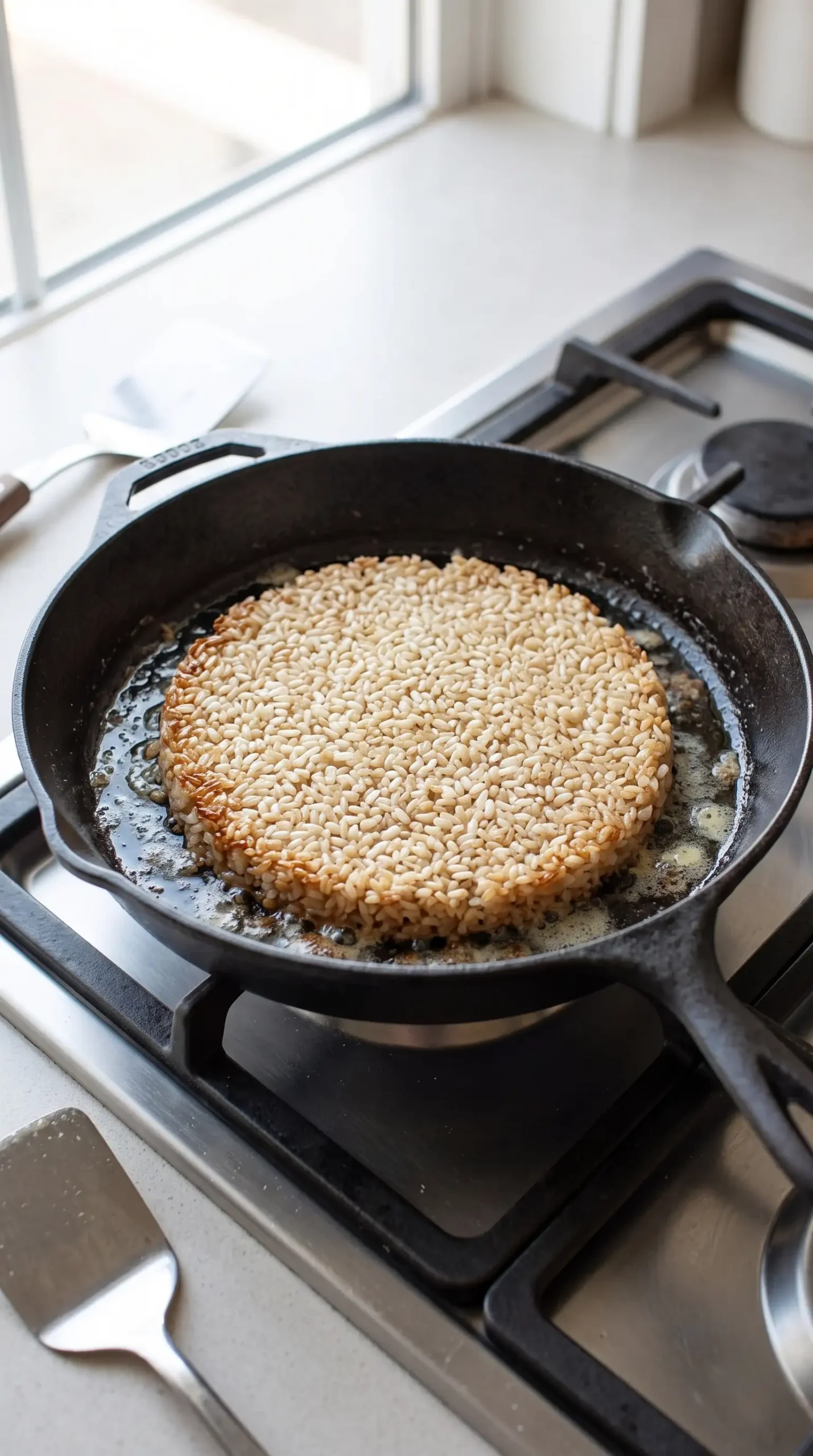
Pan temperature determines whether the rice fries or simply warms. A properly heated heavy-bottomed skillet or non-stick pan gives the grains immediate contact with steady heat.
Oil helps transfer heat across the surface, while butter adds richness to the crust. Combining both creates a flavorful cooking base that can handle the higher temperature needed for browning.
The rice should sit in an even layer about 1/2 inch thick. A consistent thickness allows the bottom to brown at the same pace and keeps thinner spots from becoming overly crisp before the rest is ready.
Serving Crispy Rice With Complete Meals
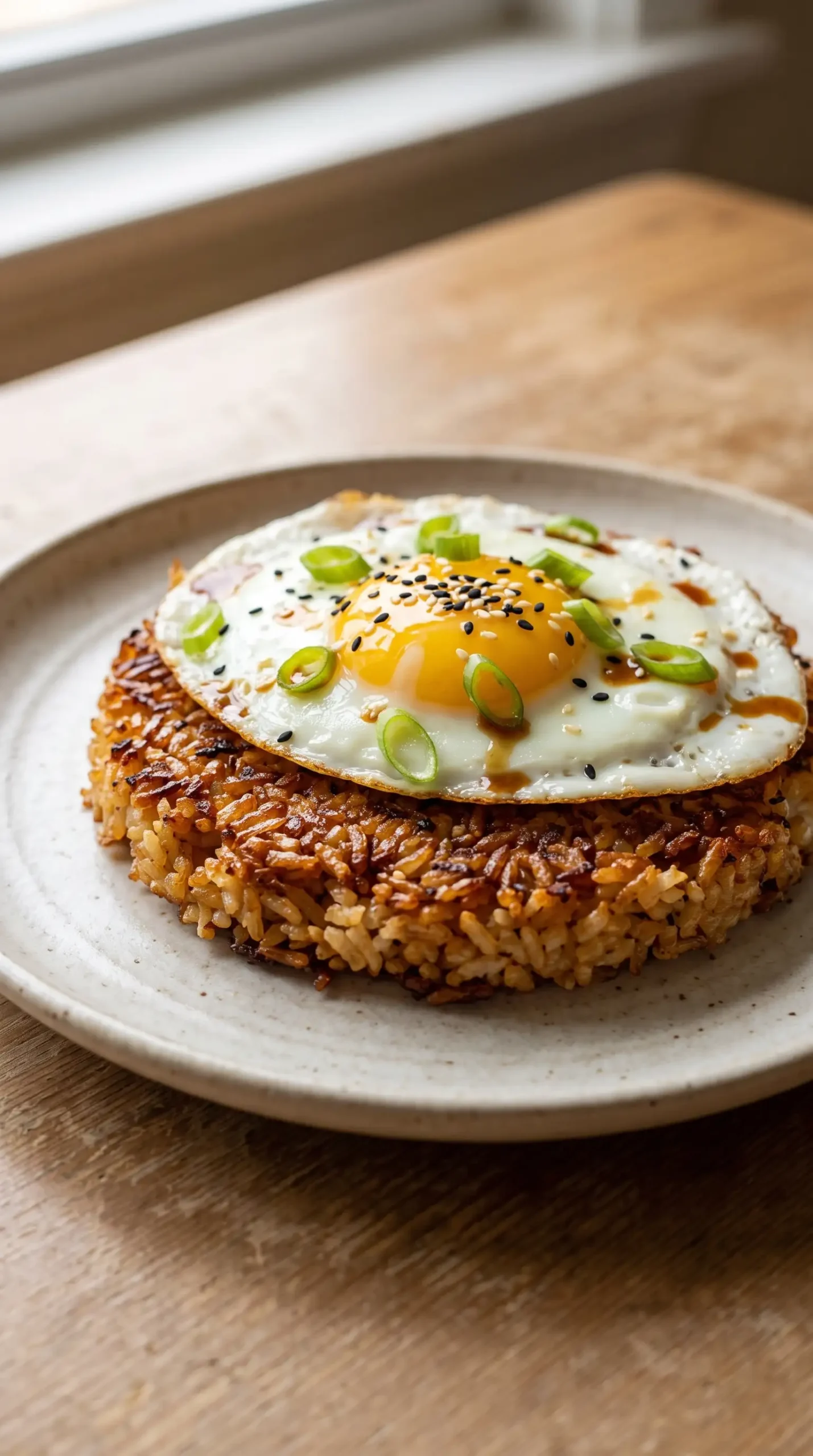
Crispy rice works as more than a side dish because its sturdy texture supports many toppings. The browned base pairs naturally with grilled fish, stir-fried vegetables, teriyaki chicken, spicy shrimp, or a runny fried egg.
Simple sauces can change the character of the finished plate. Soy-based dressings, chili oil, or ponzu add moisture after cooking without preventing the crust from forming in the skillet.
Fresh toppings also create contrast. Scallions, sesame seeds, and pickled vegetables bring brightness that complements the toasted rice surface.
Crispy Rice Mistakes That Prevent Crunch
Small handling choices can decide whether the skillet produces a crisp layer or a soft one. Avoiding common problems keeps the rice from steaming, sticking, or cooking unevenly.
- Warm rice problem: Start with chilled rice so moisture does not block browning.
- Uneven layer issue: Spread and press the rice consistently for matching texture.
- Early movement mistake: Leave the rice alone while the crust develops.
- Excess liquid concern: Use soy sauce sparingly so the grains stay able to crisp.
Overcrowding the pan creates another challenge because a thick layer prevents even heating. Keeping the rice in an even layer gives the bottom enough exposure to create the signature crust.
Oil and Butter Balance Shapes the Skillet Finish
The combination of neutral oil and unsalted butter supports both flavor and texture. Oil provides a reliable frying environment, while butter contributes a richer taste to the browned rice.
Adding a little oil around the edges later in cooking helps encourage crisp spots along the perimeter. This technique improves the surface without requiring the rice to be disturbed.
Flavor Variations Keep Crispy Rice Flexible
The basic rice layer can take on additional flavors while keeping the same cooking approach. Garlic, ginger, scallions, or cooked corn can be mixed into the seasoned rice before it reaches the skillet.
For a lighter variation, extra oil can replace the butter. The texture remains focused on the seared rice layer while the flavor profile becomes simpler.
Seasoning should be added with care because moisture-heavy additions can soften the crust. Dry flavor additions are easier to incorporate without changing the cooking behavior of the rice.
Storing and Reheating Crispy Rice
Leftover crispy rice should cool completely before moving into an airtight container. Refrigerated portions keep their quality for up to 3 days when stored properly.
Reheating works best when the rice returns to a hot skillet with a small amount of oil. Pressing the rice again helps rebuild the crust that softens during storage.
Freezing is also possible when portions are arranged in a single layer before transferring them to a sealed bag. Frozen pieces can be reheated directly in a hot skillet until crisp again.
Rice Conditions Change the Frying Results
The starting condition of the rice affects how easily it forms a crust. Comparing these stages helps choose the right preparation when planning a crispy rice skillet meal.
| Starting point | Preparation needed | Expected outcome |
|---|---|---|
| Refrigerated rice | Break apart and season | Most reliable crisping |
| Fresh rice | Cool on a tray before frying | Improved but softer texture |
| Frozen crispy rice portion | Reheat directly in skillet | Restored crunchy edges |
Meal Ideas Built Around the Crunchy Base
A crispy rice recipe can become the foundation of a complete meal by adding toppings after the crust forms. The rice provides a savory, textured layer that supports ingredients with stronger flavors or sauces.
One serving style is to cut the crust into wedges and serve it like a savory pancake. Another option is breaking the rice into pieces and scattering it beneath protein and vegetables.
Fixing Crispy Rice Problems Before Serving
If the rice is not crisp enough, continue cooking until the bottom reaches the desired texture. Avoid frequent checking because lifting the rice can interrupt browning.
Crispy Rice Skillet Success Comes From Controlled Contact Heat
Crispy rice skillet results depend on the relationship between chilled grains, steady heat, and enough time for the bottom to brown. The crust forms when the rice stays in contact with the pan long enough to develop color and structure.
The most important judgment is knowing when to leave the rice undisturbed. Once the layer has the right thickness and the pan maintains consistent heat, simple leftovers become a crunchy foundation ready for many meals.
Crispy Rice Skillet Questions About Crunch and Storage
How do I keep crispy rice from becoming soggy?
Use chilled rice, avoid adding too much liquid seasoning, and reheat leftovers in a skillet instead of a microwave. These steps help preserve the browned surface.
Can I make crispy rice without a non-stick pan?
Yes. A heavy-bottomed skillet can work well when it is heated properly and has enough oil to support even contact between the rice and the cooking surface.
Why does my rice fall apart when I flip it?
The rice needs enough time to form a crust before moving. Pressing it firmly into an even layer and using a wide spatula can make flipping easier.
Is rice vinegar required for crispy rice?
Rice vinegar is not required for the texture, but it adds brightness that balances the richness of the oil and butter. The rice can still crisp without it.
Crispy Rice Skillet Method with Chilled Rice Crust
Crispy Rice Skillet is a simple way to transform chilled rice into a golden, crunchy dish with a savory, flavorful crust. It is a quick and satisfying recipe when you want a crispy texture from everyday ingredients.
Ingredients
Method
Preparation
- Use refrigerated day-old rice, or cool freshly cooked rice by spreading it on a baking sheet and chilling it for at least 1 hour before cooking.
- Separate the cold rice grains gently, then combine with salt, rice vinegar, optional sugar, and optional soy sauce while keeping the grains intact.
Cooking
- Warm a heavy-bottomed skillet or non-stick pan over medium-high heat, then add 2 tablespoons oil and the butter until melted.
- Place the seasoned rice into the hot skillet, spread it into an even layer about 1/2 inch thick, and lightly press the surface with a spatula.
- Leave the rice undisturbed for 6-8 minutes while the underside forms a golden-brown crust.
- Keep cooking until the rice reaches the preferred level of crispness.
- Pour the remaining 1 tablespoon oil around the edges of the rice to help crisp the outer areas.
- Lift and turn the rice with a wide spatula, or serve it directly from the skillet.
Notes
For the best crust texture, use cold, dry rice and avoid moving the rice before it has had enough time to cook and crisp.